 Certified Chevrolet Sales Consultant

Usually, no. Your credit affects what you pay, not whether you can buy at all. Those are two different things, and people tend to run them together and talk themselves out of a vehicle they could have had.
Here is what actually happens. I send your application to several banks, not one. Each bank has its own rules about who it approves, so one bank saying no is one bank saying no. It is not the final answer, and your score may look a lot worse to you than it does to a bank that approves people in your situation every day.
What matters as much as the score itself:
- Steady income and long-term employment. Banks want to see that you can make the payment every month. Two or three years with the same employer carries real weight, and the longer the better.
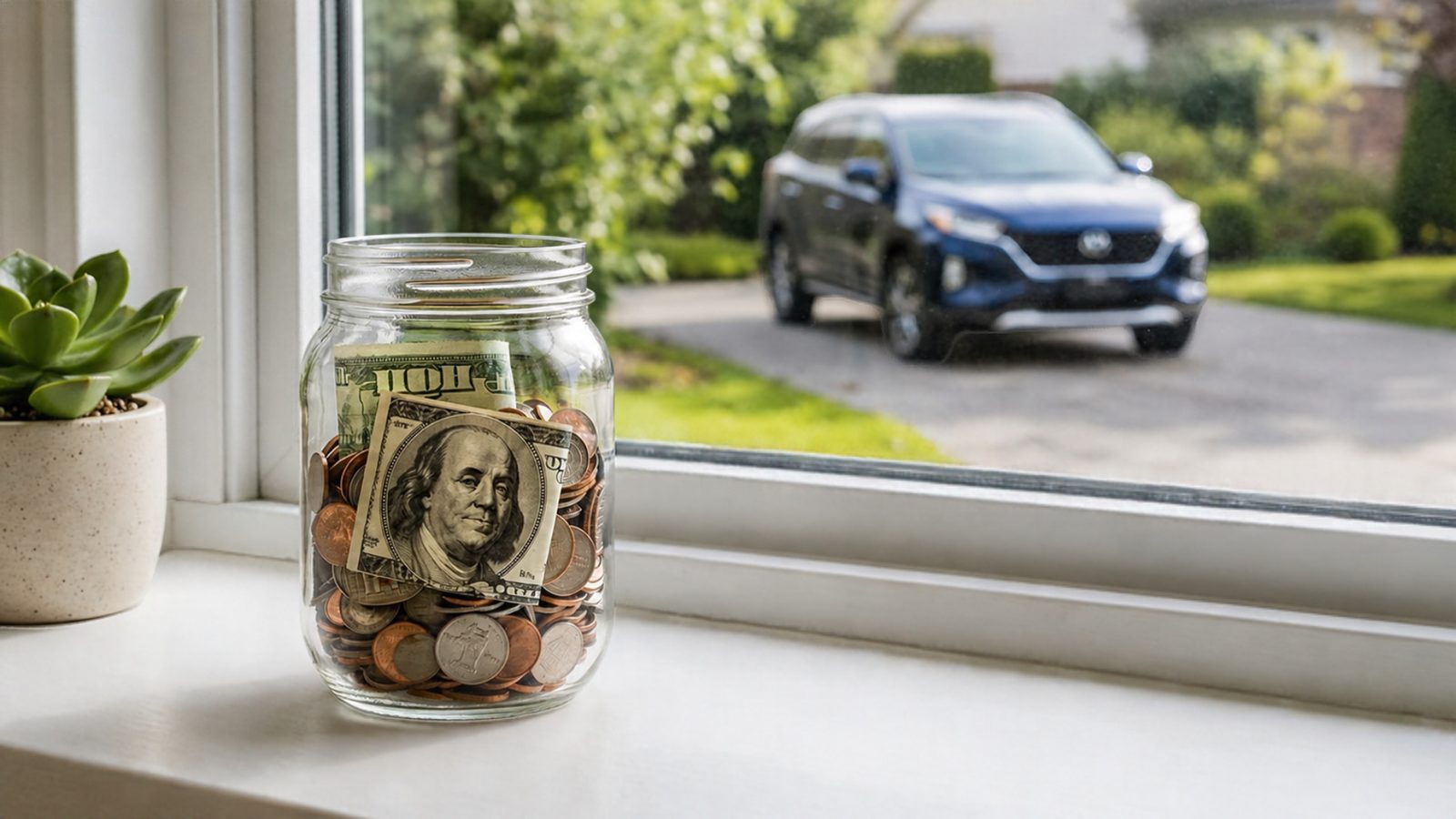
- Money down, or a trade-in worth more than you still owe on it. Either one lowers the amount you have to borrow, which lowers the bank's risk, which gives you more options.
- Whether the vehicle fits what you were approved for. This is the part nobody explains. The bank approves an amount of money, not a specific vehicle. Sometimes the answer is a different model or a different year, not a different buyer.
- What the last year or so looks like. Recent history counts for more than old history. Something from several years ago is usually not the roadblock people assume it is.
What I will not do is run your credit and then go quiet on you. And you will not sit down to sign and discover the payment is higher than what I told you. If the bank comes back with a deal I would not take myself, I will say so, and I will tell you what would have to change to get a better one.
If you have been turned down somewhere else, that is worth a conversation and nothing to be embarrassed about. I have worked with buyers in every kind of situation. Text me and we will talk it through before anything gets sent to a bank.
This answer also lives on my Straight Answers page, along with the other questions I hear most.